Rode PodMic (XLR) or Shure SM7B?
The definitive comparison. Find out which of these two heavyweights is really right for your needs.
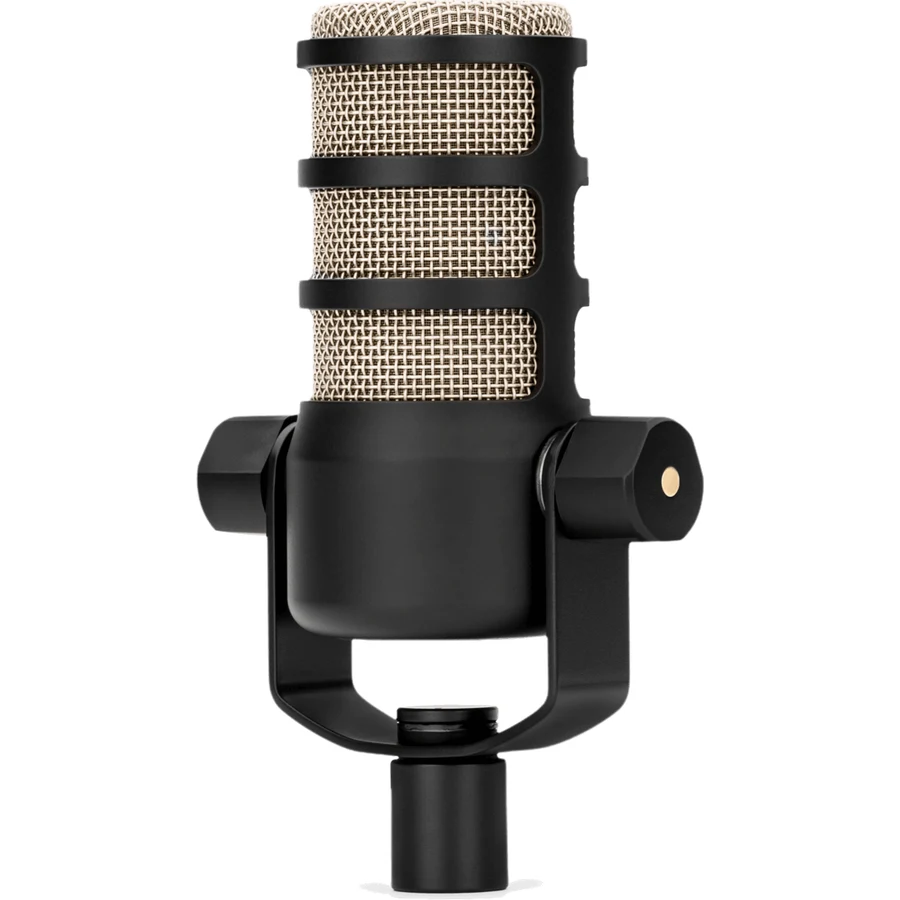
Rode PodMic (XLR)
XLR dynamic microphone for podcasting, with built-in swing mount and pop filter.
Advantages Rode PodMic (XLR)
- Internal pop filter and built-in swing mount: it fits straight onto a boom arm, with no extra accessory.
- Cardioid dynamic microphone built for close-up spoken voice, the very format of podcasting.
- Rated 4.7/5 from more than 7,400 Amazon ratings: one of the most proven podcast microphones in its range.
Drawbacks
- Low sensitivity (1.6 mV/Pa): it needs a lot of gain, and several buyers had to add an inline preamp.
- Heavy for its size (about 937 g): a light arm will not hold it.
Quick specs
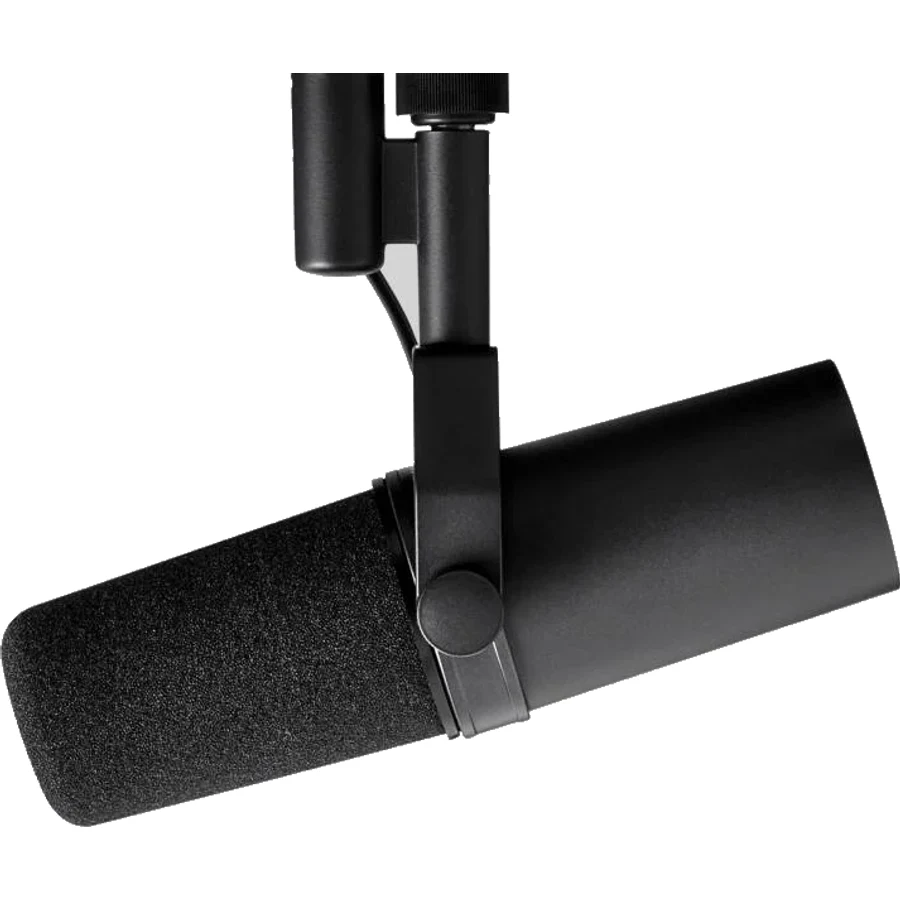
Shure SM7B
Cardioid dynamic microphone for voice.
Advantages Shure SM7B
- Widely documented background rejection: PC fans and mechanical keyboards are almost inaudible in the takes people share.
- Flat frequency response designed for close-miked voice: this is the 'radio voice' rendering podcasters cite as the benchmark.
- Internal shock mount and sturdy construction explain its longevity: units still in service after more than ten years are running in broadcast.
Drawbacks
- Hungry for gain: most entry-level interfaces force you to add an inline preamp (Cloudlifter, FetHead) to avoid hiss.
- At 765 g on a light boom arm it nose-dives: the weight demands a decent arm, which adds to the budget.
Quick specs
At a glance
| Criterion | Rode PodMic (XLR) | Shure SM7B |
|---|---|---|
| Type | Dynamic | Dynamic |
| Connection | XLR | XLR |
| Polar pattern | Cardioid | Cardioid |
| Weight | 937 g | 765g |
The final verdict
The decision depends above all on your profile and the way you intend to use it.
Choose Rode PodMic (XLR) if:
The most logical microphone for a two-person podcast with an interface: sturdy, built for the voice and positioned at entry level. Plan an interface with plenty of gain and an arm that holds its 937 g. To plug the microphone straight into a computer, you need the PodMic USB version.
See price on AmazonChoose Shure SM7B if:
Still the reference for podcasting and voice-over in an untreated room. It is the logical investment if you record voice regularly and accept a high-clean-gain interface and a solid boom arm; otherwise, a well-designed USB microphone is enough.
Buy on Amazon